The Ultimate Medical Escort Flight Checklist for Families (2026 Edition)
Updated: Jul 25
Imagine standing at the airport gate with a loved one who requires continuous clinical care, only to realize your portable oxygen concentrator doesn't meet the FAA’s 150% battery rule. It's a stressful scenario that highlights why clinical coordination before takeoff is just as vital as care in the air. It's natural to feel overwhelmed by complex airline regulations and the fear of a medical complication during transit. You want your family member to be safe, but the confusion over "fit-to-fly" letters and ground ambulance coordination can feel like an impossible puzzle to solve. This nurse-reviewed medical escort flight checklist for families provides a professional roadmap to help you navigate the logistical and emotional steps of commercial medical transport.
You deserve a transition that feels like a steady, managed procedure rather than a series of crises. We'll guide you through the mandatory documentation, FAA requirements for medical equipment, and the specific protocols needed for a seamless bed-to-bed medical transport. By the end of this guide, you'll have a clear step-by-step plan that restores your confidence and ensures your loved one's safety remains the absolute priority throughout their journey. This methodical approach reduces the cognitive load on your family, allowing you to focus on the person rather than just the logistics.
Table of Contents
What is a Medical Escort and Is Your Loved One a Candidate?
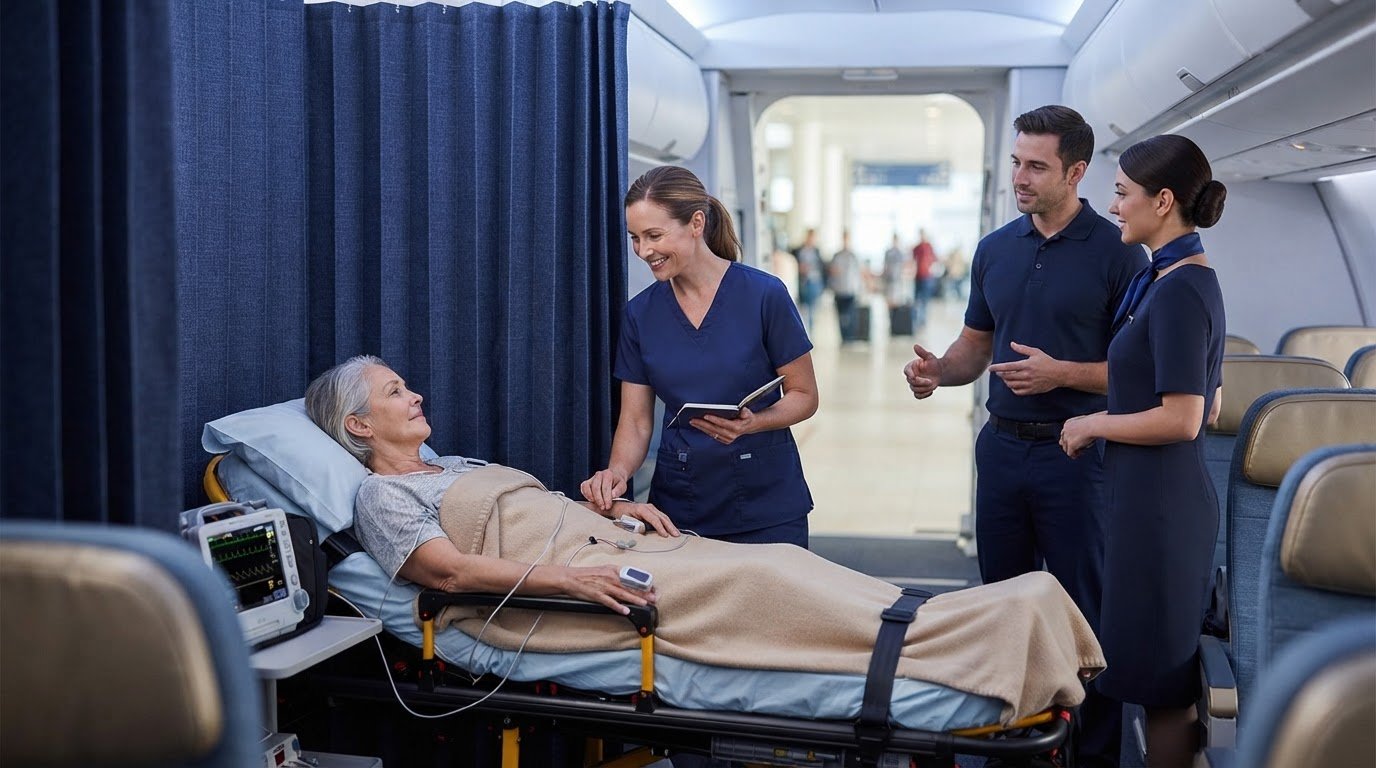
A professional medical escort is a licensed nurse who provides clinical oversight and support to a patient during travel on a commercial airline. While many families assume that a medical relocation requires a private jet, the reality is that most stable patients can travel safely and comfortably on standard commercial flights. Understanding What is a medical escort is the first step in determining if this solution fits your family's needs. This service bridges the gap between independent travel and intensive care transport, ensuring that clinical monitoring, medication administration, and mobility assistance are handled with professional precision.
To better understand this concept, watch this helpful video:
When reviewing a medical escort flight checklist for families, it's vital to recognize that the flight nurse acts as a vigilant protector. They manage every clinical detail, from monitoring vital signs to coordinating with airline staff. This allows the patient to be viewed as a person rather than just a case, even within the busy environment of a commercial cabin. Our nurses prioritize safety and emotional security, ensuring the logistics don't interfere with the patient's comfort.
The Difference Between Medical Escorts and Air Ambulances
The primary distinction lies in the level of care and the infrastructure used. Commercial airline medical escorts utilize existing flight routes and cabin space, which reduces the logistical costs for families compared to private charters. While private air ambulances are essentially flying intensive care units for patients in critical condition, a medical escort service is designed for non-emergency relocation. It's a pragmatic choice for those who are medically stable but require professional supervision to prevent complications during the journey.
Who is Eligible for Commercial Medical Travel?
Determining eligibility is a clinical process that prioritizes patient safety above all else. Most candidates for this service fall into three categories: wheelchair-bound individuals, patients requiring supplemental oxygen, or those who simply lack the stamina to travel alone. In 2026, the aeromedical standard defines "stable for flight" as a condition where the patient's health is predictable and manageable within a pressurized cabin without requiring immediate surgical or ICU interventions.
To qualify for a standard commercial seat, the patient must generally be able to remain upright during takeoff and landing. If they cannot, a commercial airline stretcher service may be an option on certain international routes. We also maintain strict safety protocols regarding eligibility:
The patient must not have an active, contagious infectious disease.
Psychiatric conditions must be stable and well-controlled with medication.
There should be no recent history of severe respiratory distress that a Portable Oxygen Concentrator (POC) cannot manage.
Using a medical escort flight checklist for families helps you gather the necessary medical data to confirm these requirements with your clinical team before booking. This organized approach ensures we identify the right level of care from the very beginning.
The Clinical Checklist: Securing Fit-to-Fly Clearance
Securing clinical clearance is the most critical phase of pre-flight preparation. It ensures the patient is physically capable of withstanding the physiological stressors of travel, such as cabin pressure changes and reduced humidity. A central component of any medical escort flight checklist for families is the formal medical clearance process. This isn't just a recommendation; it's a safety mandate required by both the transport team and the airline to ensure a safe journey from departure to arrival.
The process begins with the "Fit-to-Fly" letter. This document, signed by the patient's current attending physician, confirms that the individual is medically stable for transport. The CDC provides extensive guidelines on Fit-to-Fly Clearance, outlining how chronic conditions may be affected by altitude. Beyond the letter, you'll need to gather a comprehensive medical history. This includes recent lab results, imaging reports, and discharge summaries. Having these documents organized ensures a seamless handoff between medical teams and maintains the continuity of care that is vital during a medical relocation.
If your loved one requires supplemental oxygen, coordination becomes more technical. Airlines don't permit compressed oxygen tanks in the cabin. Instead, the patient must use an FAA-approved Portable Oxygen Concentrator (POC). The "150% battery rule" is a non-negotiable requirement. For example, if a journey is expected to last 10 hours including ground time and layovers, you must carry 15 hours of battery life. Additionally, medication reconciliation is vital. You should pack at least a 48-hour supply of all critical medications in the carry-on luggage to account for potential flight delays or unexpected layovers.
Coordinating with the Attending Physician
Start the conversation with your doctor early. Ask specifically about risks related to cabin pressure changes or deep vein thrombosis (DVT). A professional flight nurse often facilitates this dialogue, reviewing clinical records to ensure every detail is addressed. This partnership between your doctor and the transport team creates a safety net for the patient, ensuring all medical needs are anticipated before the flight begins.
Navigating Airline Medical Desks
Every major airline operates a medical desk led by a medical director. These experts must review and approve the passenger's clinical status before tickets are finalized. Industry standards generally require at least 72 hours of notice for this review. If the patient uses specialized equipment like nebulizers or mobility aids, the airline needs time to verify that these devices meet specific safety specifications. If you're feeling overwhelmed by these clinical requirements, consulting with a medical transport specialist can help streamline the approval process and ensure no detail is overlooked.
Packing and Documentation: A Family Practical Flight Checklist
While clinical clearance sets the stage, the physical items you carry ensure the journey remains dignified and comfortable. This phase of the medical escort flight checklist for families transitions from high-level logistics to the granular details of the cabin experience. You aren't just packing a suitcase; you're preparing a mobile care environment. Every item should serve a specific purpose, prioritizing the patient’s clinical stability and emotional ease. This organized approach minimizes the cognitive load on your family during transit.
Start with essential travel documents. Passports must have at least six months of validity remaining, and visas should be secured well in advance for international travel. Keep physical state IDs easily accessible for security checkpoints. For communication, ensure you have multiple chargers and high-capacity power banks. A written list of emergency contact numbers is essential, as digital devices can fail or lose power during long transit days. This ensures you remain connected to the medical team and family members at all times.
Patient comfort is equally vital to a successful transport. The dry air and constant noise of a commercial cabin can be taxing for someone who is already medically fragile. Pack a high-quality neck pillow, noise-canceling headphones, and a familiar blanket from home to provide a sense of security. Hygiene supplies are a non-negotiable part of the kit. Include incontinence products, wet wipes, and at least one full change of clothes for the patient; if you are looking for soft, durable clothing for the journey, you can learn more about RNK Apparel Co.. These items allow the flight nurse to maintain the patient's dignity and comfort during unexpected delays.
The Essential Document Folder
Organize a physical folder containing the signed Fit-to-Fly letter and your medical escort contract. Include insurance cards and any necessary repatriation authorization forms. If your journey involves crossing international borders, review the specific requirements outlined in our guide to international medical repatriation services. Having these papers in hand prevents delays at check-in or during customs transitions, providing a sense of security that the logistics are under control.
Carry-On vs. Checked Bag Strategy
A common mistake is placing critical supplies in checked luggage. Every medication, medical device, and hygiene item must stay in the carry-on bag. This ensures the flight nurse has immediate access to everything needed for patient care. When preparing these bags, consult the TSA guidelines for medical travel to understand how to handle liquid medications or medical gels. TSA allows larger quantities of medically necessary liquids, but they must be declared at the security checkpoint. Pack as light as possible. A streamlined carry-on is a vital part of the medical escort flight checklist for families, as it allows the nurse to maneuver easily through narrow aisles while staying focused on the patient.
Beyond the Cabin: Coordinating Bed-to-Bed Logistics
The journey doesn't end when the aircraft touches the tarmac. In many ways, the transition from the cabin to the final destination is where the most complex clinical coordination happens. This stage of the medical escort flight checklist for families focuses on the seamless continuity of care during ground transport. We call this the "first mile and last mile" challenge. Without professional oversight, these transitions can lead to exhausting airport delays or clinical gaps that stress the patient. Our bed-to-bed medical transport model ensures your loved one is never left without expert supervision, moving from the hospital bed to the ambulance, then the aircraft, and finally to their new destination.
Continuous monitoring is the heartbeat of this process. The flight nurse maintains vigilance during the ambulance-to-terminal transition, managing portable medical equipment and monitoring vital signs in real-time. This level of end-to-end responsibility prevents the fragmentation of care that often occurs when families try to coordinate separate providers. It’s a rhythmic, methodical procedure that keeps the patient stable and the family informed at every milestone. By maintaining a constant presence, the nurse lowers the emotional temperature of the situation for everyone involved.
Coordinating Ground Transport at Both Ends
Synchronizing pickup times with flight schedules requires precise operational fluidity. We utilize non-emergency ambulance service providers who understand the specific requirements of airport terminal transfers. These teams manage traffic delays and airport security gate timing so the patient doesn't spend unnecessary time waiting in a vehicle or terminal. Our comprehensive bed-to-bed service eliminates family logistical stress by handling every ground and air detail with clinical precision. For those whose relocation involves children, Gouverneur International can further support the family by providing professional nannies to manage childcare during the transition.
Communication with the Receiving Facility
A successful relocation depends on the receiving hospital or care home being fully prepared for the arrival. The flight nurse provides the receiving doctor with a detailed flight care report, documenting all clinical observations and medications administered during transit. This ensures the new medical team can continue treatment without interruption. We also confirm that bed availability and admission paperwork are completed in advance, reducing wait times upon arrival. The nurse remains with the patient until the final clinical handoff is complete, ensuring a safe and secure transition. If you're ready to arrange a secure journey for your loved one, contact our clinical coordination team to begin the planning process.
Why RN MEDflights is the Trusted Choice for Families
Choosing a transport provider is a decision that carries immense emotional and clinical weight. While a medical escort flight checklist for families provides the structural roadmap, the success of the journey depends on the expertise of the team executing it. RN MEDflights operates as a clinically-led organization, meaning our decisions are guided by medical necessity and patient safety rather than simple logistics. We view ourselves as vigilant protectors, standing by your side to ensure every detail of the transport is managed with the weight of medical expertise and the heart of a caregiver.
Our veteran-owned values define our commitment to mission success. In the world of aeromedical transport, "mission success" means the safe, dignified, and stable arrival of your loved one at their final destination. This dedication to excellence is paired with a global reach that encompasses both domestic medical relocation and complex international medical repatriation. Whether moving across state lines or across oceans, our team maintains a constant, unwavering presence. We prioritize emotional security just as much as clinical stability, ensuring the patient is always treated as a person with unique needs and feelings.
Our Clinical Standards and Experience
With over 15 years of experience in aeromedical coordination, we've refined our processes to minimize the cognitive load on families in crisis. Every transport is managed by highly trained, licensed registered nurses who possess the critical thinking skills necessary for high-altitude care. We maintain rigorous standards for our team, and our vetting process for flying nurse jobs focuses on identifying clinicians with extensive experience in emergency or intensive care settings. Families who have trusted us often speak of the peace of mind they found, knowing a senior medical professional had everything under control from the first ambulance pickup to the final bed-to-bed handoff.
Ready to Bring Your Loved One Home?
The process of arranging a commercial medical escort shouldn't be an additional source of stress. We provide a clear, methodical path forward, starting with a free, no-obligation clinical consultation. During this initial call, we'll review your medical escort flight checklist for families and help you determine the most appropriate level of care. We believe in transparent communication and providing a comprehensive solution that leaves no room for doubt or unanswered questions. Our team is ready to respond and guide you through every clinical and logistical step of the journey. When you are ready to move forward, contact RN MEDflights for a customized transport plan and let our experts handle the complexities of bringing your loved one home safely.
Securing a Safe Journey for Your Loved One
RN MEDflights has been veteran-owned and operated since 2010. We provide licensed registered flight nurses on every mission to maintain the highest clinical standards. Our team handles every detail, including ground ambulance coordination, so you don't have to manage the logistics alone. We're here to act as a vigilant protector for your loved one throughout their entire journey. Request a Free Medical Transport Quote from RN MEDflights to begin your customized transport plan. You're one step closer to a seamless, secure relocation for the person who matters most.
Frequently Asked Questions
How far in advance should I book a medical escort flight?
Aim to book your transport 7 to 14 days in advance to ensure all clinical and logistical coordination is finalized. Most airlines require a minimum of 48 to 72 hours to review medical documentation and approve equipment like portable oxygen concentrators. Booking early allows our team to secure the most efficient flight paths and coordinate with ground ambulance services at both ends of the journey. While urgent relocations are possible, a two-week window offers the most seamless experience for the patient.
Can a family member fly on the same commercial flight as the patient and escort?
Yes, family members can and often do book seats on the same flight as the patient and medical escort. We encourage this as it provides additional emotional support for your loved one during the journey. Our team coordinates the seating arrangements to ensure the flight nurse remains adjacent to the patient for constant clinical monitoring. Having a familiar face nearby often lowers the patient's stress levels, which is a key goal of our human-centric care model.
Does insurance typically cover the cost of a commercial medical escort?
Standard health insurance plans rarely cover the costs of commercial medical transport or escort services. Most policies view these as non-emergency relocations rather than medical necessities. However, some long-term care policies or specific travel insurance plans with medical evacuation riders may offer partial reimbursement. We recommend reviewing your policy's "repatriation" or "transportation of remains" clauses. Our team provides transparent documentation to assist you in filing any potential claims with your provider after the mission is complete.
What happens if the patient’s condition changes mid-flight?
The flight nurse is trained to manage clinical fluctuations using the medical kit and protocols established during the pre-flight assessment. They monitor vital signs continuously to identify and address issues before they become crises. In the rare event of a significant medical emergency, the nurse coordinates with the flight crew to follow standard airline emergency procedures, which may include a priority landing. Every decision is guided by the nurse's advanced clinical training and the patient's specific medical history.
Will the flight nurse handle all the airport security and boarding logistics?
Yes, the flight nurse manages all terminal logistics, including security screenings and the boarding process. This is a vital part of the medical escort flight checklist for families as it removes the burden of navigation from your shoulders. The nurse coordinates with airport disability services for priority boarding and ensures that all medical equipment passes TSA inspection without delay. This end-to-end responsibility ensures the transition from the ground ambulance to the aircraft cabin is smooth and dignified.
Are there specific airlines that are better for medical escort travel?
Major legacy carriers like Delta, United, and American Airlines are often preferred because they have established medical desks and robust protocols for oxygen use. These airlines offer more consistent experiences for patients requiring specialized assistance or stretcher services on international routes. Our team selects the airline based on the patient's specific clinical needs, the aircraft type, and the availability of direct flights to minimize taxing layovers and total travel time.
What medical equipment is the flight nurse allowed to bring on the plane?
Flight nurses carry a specialized medical kit that includes assessment tools, basic life support supplies, and FAA-approved monitoring equipment. All devices must be battery-operated and meet specific airline safety standards for use in a pressurized cabin. We coordinate the approval of items like Portable Oxygen Concentrators (POCs) or nebulizers directly with the airline's medical department. This ensures that every piece of equipment on our medical escort flight checklist for families is cleared for use before you reach the gate.
Is a medical escort available for patients with dementia or Alzheimer’s?
Yes, we frequently provide medical escorts for patients with cognitive impairments like dementia or Alzheimer’s. These missions require a deep level of human empathy and specialized communication techniques to keep the patient calm in a busy airport environment. The nurse acts as a steady, reassuring presence, managing potential agitation and ensuring the patient's safety throughout the journey. We focus on maintaining a quiet, predictable routine to minimize confusion during the relocation process.